By Kat Gardner
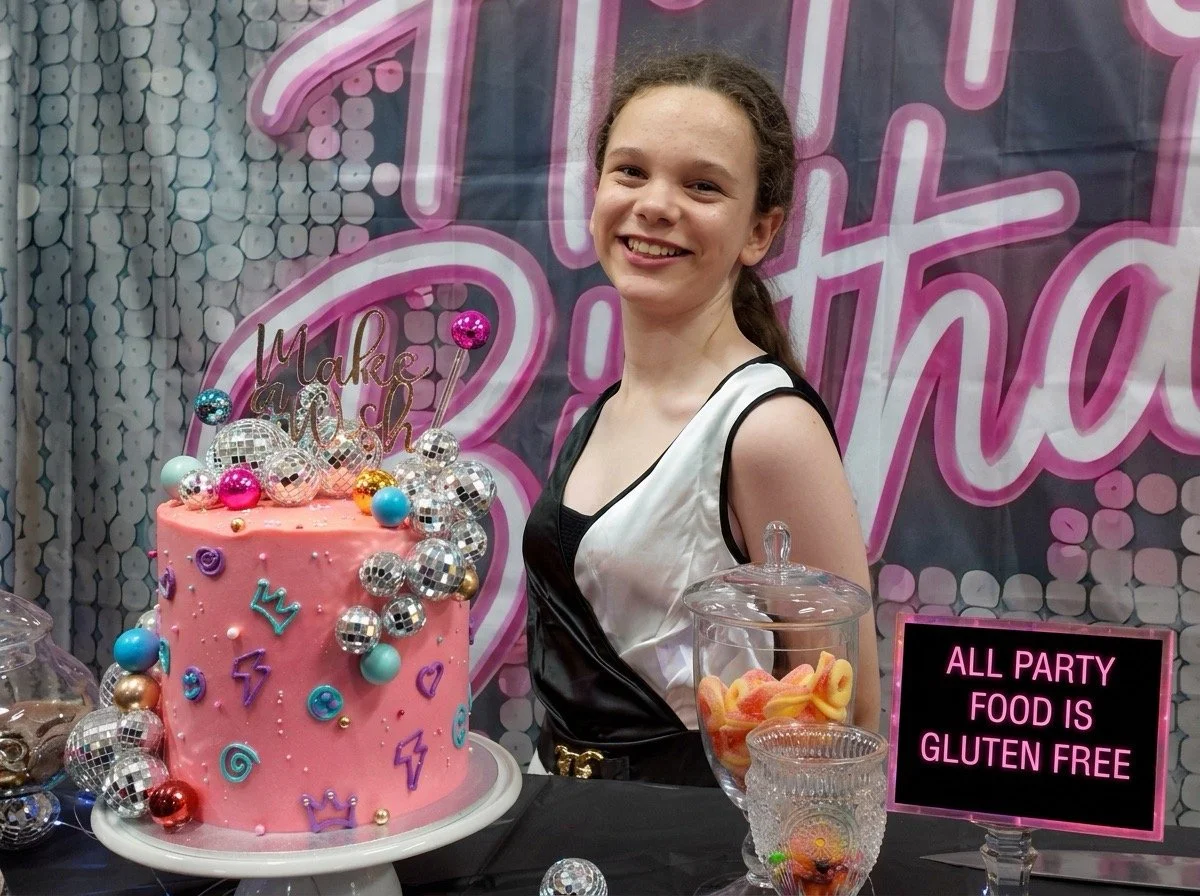
A birthday invitation should be something to get excited about. A friend to celebrate, games to play and the all-important decision about what present to take. When your child has coeliac disease, there’s another conversation to have as well: what will happen with the food?
Since Milli was diagnosed at eight, school lunches and birthday parties have become part of our family’s experience of living gluten-free. They’re also the kinds of everyday moments that inspired My Gut Is a Drama Queen. Because something that looks like a simple food arrangement from the outside can feel much bigger to the child in the middle of it.
My daughter Milli wrote My Gut Is a Drama Queen, about living with coeliac disease. You can read about the book here, and it’s also on Amazon UK
As a mum, I want Milli to enjoy being invited and spending time with her friends. I also want to make room for how she feels about needing something different. Both things matter.
The planning starts before the party
A conversation with the host beforehand gives everyone time to work out the food arrangements. Asking what’s planned can help you understand the day, whether it’s a meal, snacks, cake or an activity involving food. From there, you can discuss your child’s needs and agree on what you’ll provide or organise together.
It helps to be clear about who is doing what, rather than leaving the details until you arrive with a present in one hand and an excited child beside you. The aim is to make those arrangements between the adults so your child has less to sort out during the celebration.
Ask your child what matters to them
It’s easy to organise everything and forget to ask the person who will actually be eating it. Depending on their age, your child might have quite definite ideas about what they’d like to bring, how they want it packed or whether they want help explaining it to a friend.
Perhaps having a special cake of their own matters most. Perhaps they’d prefer something familiar, or they’re more interested in the games than the food. Asking gives them a say and helps you understand which parts of the day they’re thinking about.
Different food can still feel disappointing
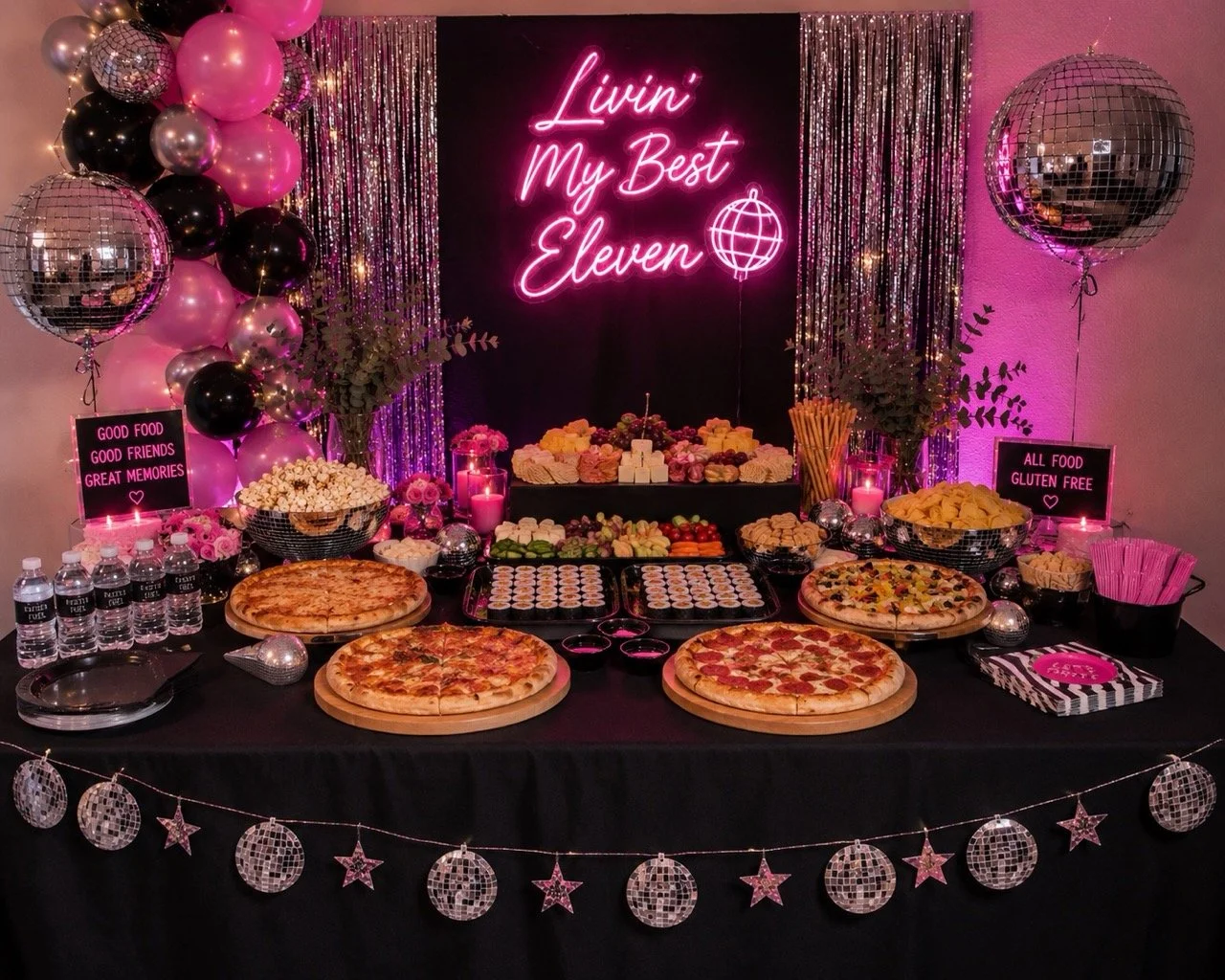
You can put thought into a lovely alternative and still have a child who wishes they could eat the same cake as everyone else. That doesn’t mean they’re ungrateful or that your effort was wasted. Sometimes they simply want to join in without having to think about it.
A quick “I know, it’s frustrating” can leave more room for that feeling than immediately listing all the reasons their own food is wonderful. They can appreciate what you’ve brought and still feel disappointed. They don’t have to choose one feeling for the whole afternoon.
Inclusion is in the little things
Being included can mean having their food ready when everyone else eats, being offered a choice or having an adult quietly check in without making a big announcement. These small moments can help the food arrangements feel like an ordinary part of the day.
There’s no single approach that suits every child. Some are happy to answer questions about coeliac disease; others would rather get back to the party. Letting them guide how much attention it gets is another way to give them some control.

Leave room for the fun, and the conversation afterwards
The food deserves attention, but so does everything your child is looking forward to. Talk about the friend they’re celebrating, what they might play and the things that make a party exciting. There is a whole occasion beyond the lunchbox.
Afterwards, a gentle “How was it?” gives them room to tell you what mattered. They may want to talk about the cake, or they may want to tell you who won a game. If something felt awkward, you can think together about what might help next time. If they had a wonderful afternoon, you can enjoy hearing about it.
Why these everyday moments belong in our story
When Milli and I worked on My Gut Is a Drama Queen during the April school holidays, we looked back at her stories, the funny things and the hard times, and found ways to turn those experiences into humour. Laughing together helped us through some of the challenges, even when it couldn’t change the situation itself.
That’s what we wanted to share with other families. A child’s experience of coeliac disease includes the practical questions, but it also includes wanting to fit in, feeling frustrated and finding something to laugh about along the way. We wanted children to recognise a little of their own lives in Milli’s words and feel less alone.
More of our family’s stories: Halloween with Coeliac Disease, Planning an Overseas Trip When Your Child Has Coeliac Disease and Meet Milli: The Story Behind My Gut Is a Drama Queen
If your child would enjoy hearing from someone who understands those everyday feelings, My Gut Is a Drama Queen is written for children aged 8–12. You can explore the book on Amazon Australia or Amazon US.
Kat Gardner, Milli’s mum