By Kat Gardner
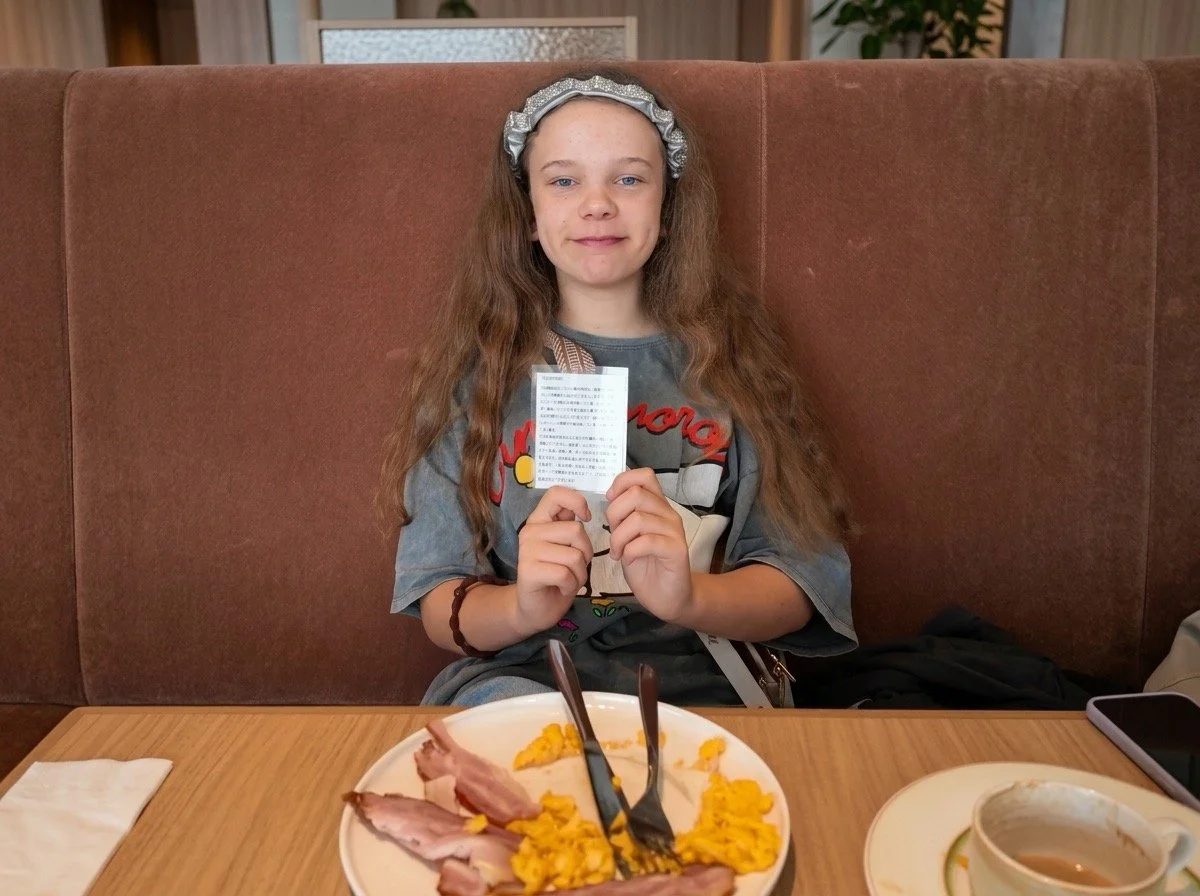
There’s the exciting part of planning a family holiday: choosing where to go, looking at places to stay and imagining all the things you’ll do together. Then, when your child has coeliac disease, there’s another set of questions. What will they eat? How will you explain what they need? What happens if the place you’ve researched doesn’t work out?
As Milli’s mum, I know that food comes with feelings as well as practical arrangements. Since her diagnosis at eight, that has become part of our family’s life. I want there to be room for excitement and adventure, alongside the preparation that helps us look after her.
My daughter Milli wrote My Gut Is a Drama Queen, about living with coeliac disease. You can read about the book here, and it’s also on Amazon UK
An overseas holiday can feel like a lot to organise before you’ve even thought about packing. Breaking it into smaller questions gives you somewhere to start, without needing to solve the whole trip in one sitting.
Start with the first day
Rather than beginning with every meal of the holiday, picture the journey and arrival. What time will you land? How long will it take to reach your accommodation? Will you arrive ready for dinner, or late at night with a tired child?
Having an idea of how that first evening and breakfast might work gives your research a focus. You can build out from there, looking at the places you’ll spend time and saving possible food options nearby. A short, organised list is easier to use than trying to remember which of your many screenshots had the useful information.
Research places, then ask questions
Local coeliac organisations and destination guides can help you begin your research. Treat recommendations as starting points and confirm current arrangements directly with venues. A menu or an old review cannot answer every question about how a meal will be prepared.
Keep your research somewhere easy to find, with addresses, contact details and any replies you receive. It can also help to note another option in the same area. That way, a closed restaurant doesn’t have to mean starting the search from scratch while everyone gets hungrier.
Think about what you need from accommodation
A kitchen or fridge might make familiar meals easier to organise. Being near a supermarket or places you’ve contacted may matter more to your family. Think about which arrangement would make mornings and evenings feel manageable, rather than assuming there is one right type of accommodation.
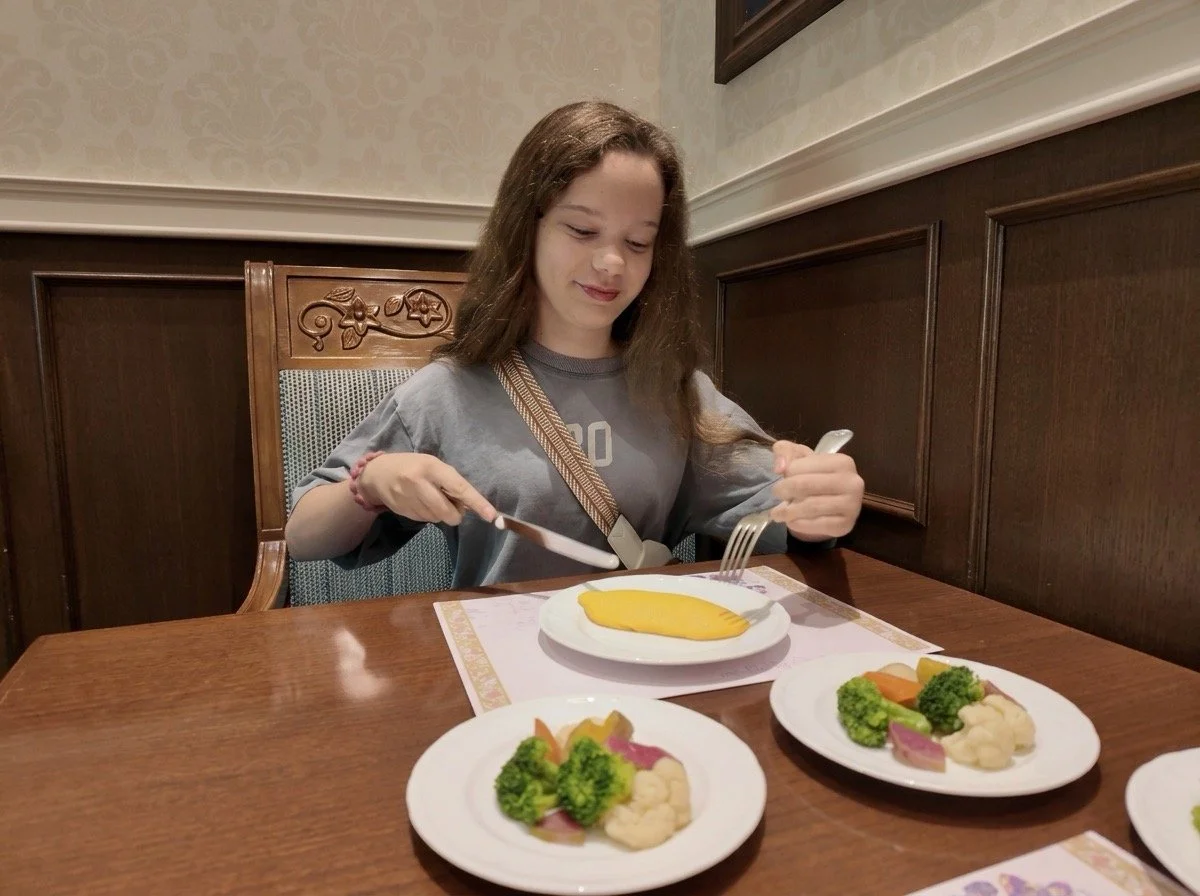
If you plan to eat at your hotel, discuss your child’s needs before booking and confirm the arrangements on arrival. Knowing what is available can help you decide what else to organise.
Prepare for the conversations about food
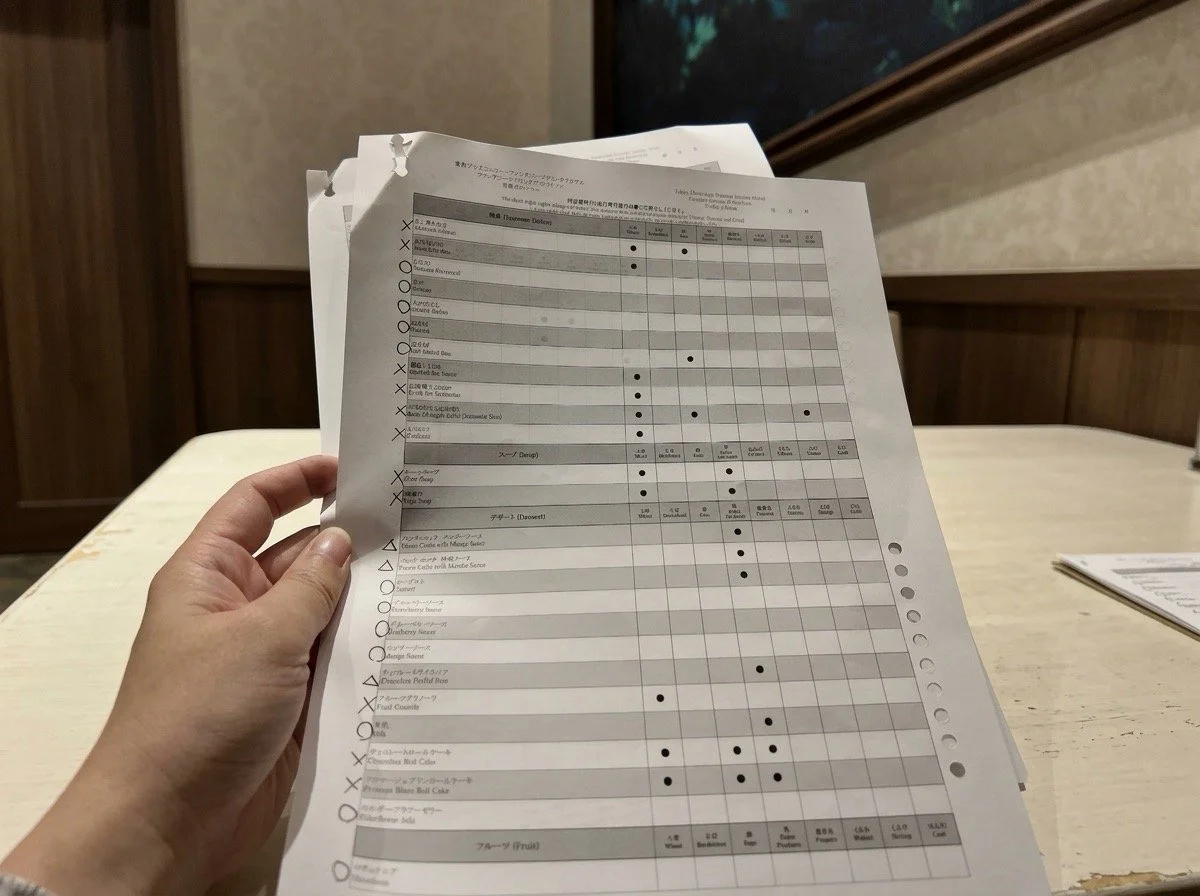
If you’re travelling somewhere with a different language, arrange reliable coeliac-specific translated information before leaving. Coeliac travel guides can provide useful phrases. This can support the conversation about your child’s needs, although it doesn’t replace checking that the people preparing the food understand.
There is an emotional side to those conversations too. Your child may be happy to join in, or may prefer you to take the lead. You can talk about that beforehand, so they know they won’t be left to work it all out themselves.
Plan for the journey and a backup
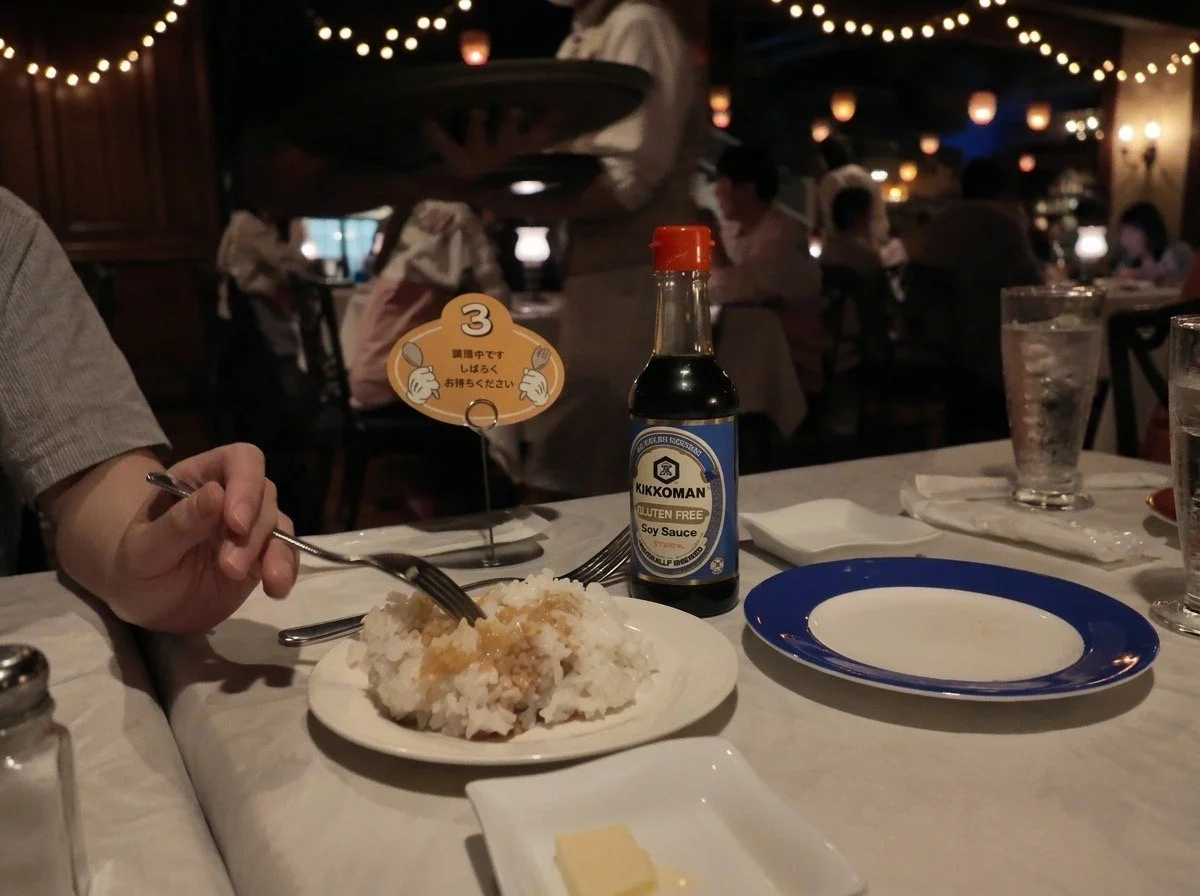
Ask about gluten-free meals when booking transport and reconfirm before departure. Pack suitable backup food for delays, checking airline requirements and the destination’s official rules about bringing food into the country. What you can take on a journey and what you can bring through the border may differ.
Choose familiar foods your child actually likes, rather than packing things simply because they seem practical. A carefully packed snack is only useful if someone will eat it. Keep what you need for the journey accessible, instead of buried underneath everything else in the suitcase.
Prepare your child as well as the suitcase
Between the bookings and the food research, it’s worth asking your child what they’re thinking about. They might be worried about meals, or they might be far more interested in the plane, the hotel pool or whether they can take their favourite toy.
Let them know a little about the plan without making them responsible for it. You can explain that you’re researching food, that you’ll ask questions together and that sometimes you may need to choose somewhere else. They don’t need a promise that everything will go perfectly. They need to know you’ll help them work through it.
Leave room for disappointment too. Even on a wonderful holiday, there may be something they wish they could eat. Acknowledging that feeling doesn’t spoil the trip; it gives them permission to be honest about one difficult moment within it.
Leave some space for the holiday
Food planning can take up a surprising amount of your attention. It helps to bring the conversation back to the things everyone is looking forward to: the places you want to see, the activities you’ve chosen and the chance to spend time together.
You don’t need to schedule every mouthful or fill every hour. A few researched options and some flexibility can leave room to change the pace. Sometimes the best next step will be a quieter afternoon, a familiar meal and another adventure tomorrow.
The feelings travel with us too
When Milli and I created My Gut Is a Drama Queen, we looked back at her stories, the funny moments and the hard times, and found ways to turn those experiences into humour. Laughing together was one of the ways we got through the challenges.
The book grew from everyday life with coeliac disease and the wish that another child might feel understood. That feeling matters at home, at school and when you’re a long way from your usual routines. Sometimes it helps to hear from another child who knows what it’s like to need something different.
If you’d like to explore Milli’s funny, honest stories for children aged 8–12, you can find My Gut Is a Drama Queen on Amazon Australia or Amazon US.
Kat Gardner, Milli’s mum