By Kat Gardner, Milli’s mum
Christmas lunch can be enough to organise already. Who’s coming, how much food you need, what everyone eats. Add a dietary requirement you’re not familiar with and it can feel like one more thing to worry about.
I wanted to write this for anyone who has a child with coeliac disease coming for Christmas lunch and is wondering what on earth to feed them. Milli has coeliac disease, and I want people to know that feeding a coeliac child doesn’t have to mean starting the whole menu again.
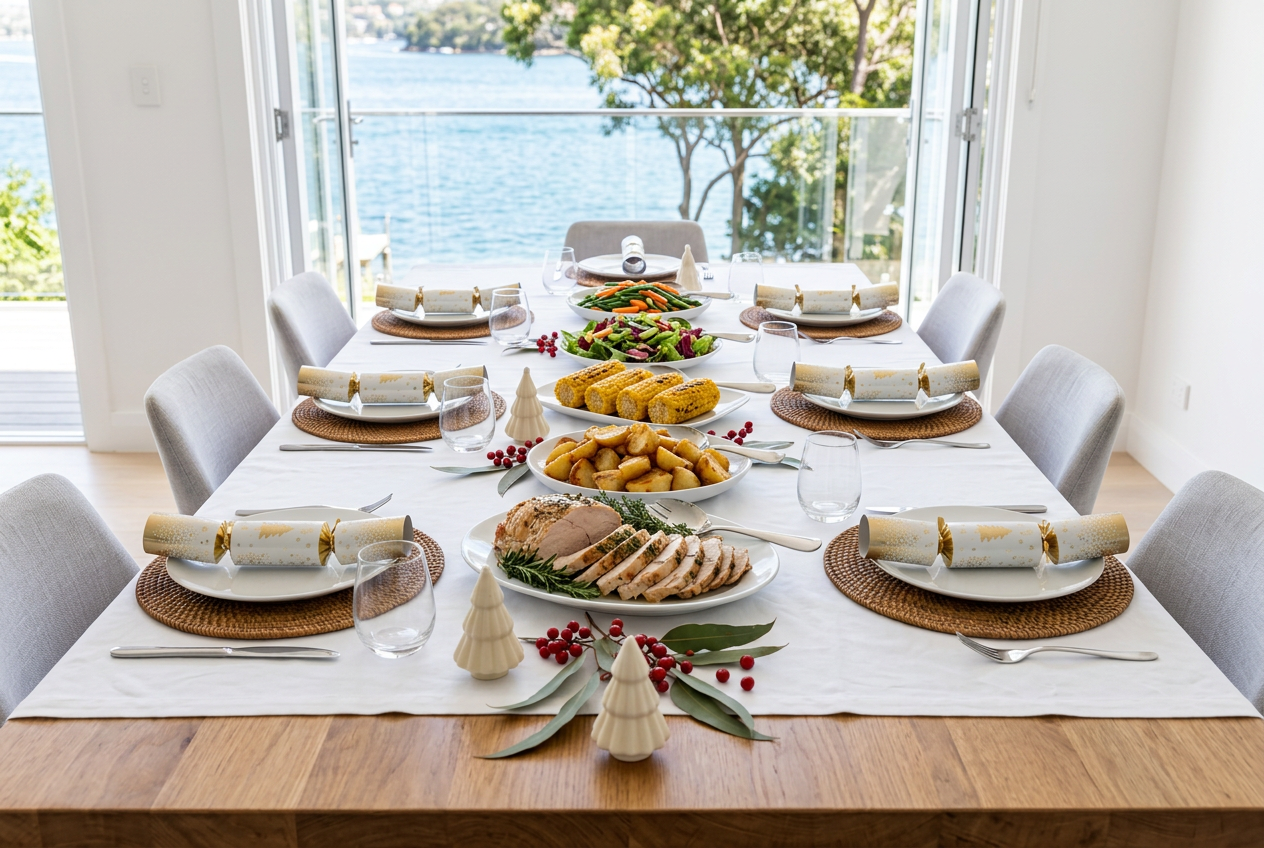
So many everyday foods are naturally gluten-free. Plain, unprocessed meat, chicken, fish, prawns, eggs, fruit and vegetables are all gluten-free. You can build a very good Australian Christmas lunch around those foods without buying a trolley full of speciality products.
Think prawns with lemon, grilled meat, roast potatoes, corn on the cob and fresh summer salads. Much of that can be shared by everyone. It’s often the stuffing, marinades, dressings, sauces and other extras that need a closer look.
There are a few things to get right with ingredients and keeping crumbs away. But you may already have most of lunch sorted.
Ask their parent before you shop
A quick message is enough to get started:
“I’m planning Christmas lunch and want to make sure there’s plenty they can eat. What do they like, and is there anything I should check with you?”
Ask about favourite foods, products they normally buy and any other dietary needs. A seafood platter might suit the adults perfectly, but it won’t help much if the child doesn’t eat prawns.
If you’re unsure about something in the supermarket, send a photo of the ingredients and allergen information. Keep the packets until after lunch, too. It’s much easier to read a label than remember what was in the marinade.
You don’t have to work it all out on your own. I’d much rather someone asked than stood in the supermarket worrying about which sauce to buy.
Start with naturally gluten-free food
You don’t need a special gluten-free version of a carrot, an egg or a plain piece of fish.
For Christmas lunch, your starting point could be:
Plain chicken, beef, lamb or pork.
Plain prawns or fish.
Eggs.
Potatoes, pumpkin, carrots and corn.
Lettuce, cucumber, tomatoes and other fresh salad vegetables.
Mangoes, cherries, watermelon, berries and other summer fruit.
These foods are naturally gluten-free as they are. Once they’re seasoned, marinated, stuffed or made into a prepared dish, you need to know what’s been added.
A simple salad with olive oil and lemon can sit alongside the main meal for everyone. So can vegetables roasted with olive oil, salt and fresh herbs. There’s no need to make a separate bowl just because one guest has coeliac disease. Use gluten-free ingredients and clean utensils, and keep bread crumbs out of it.
The Christmas ham
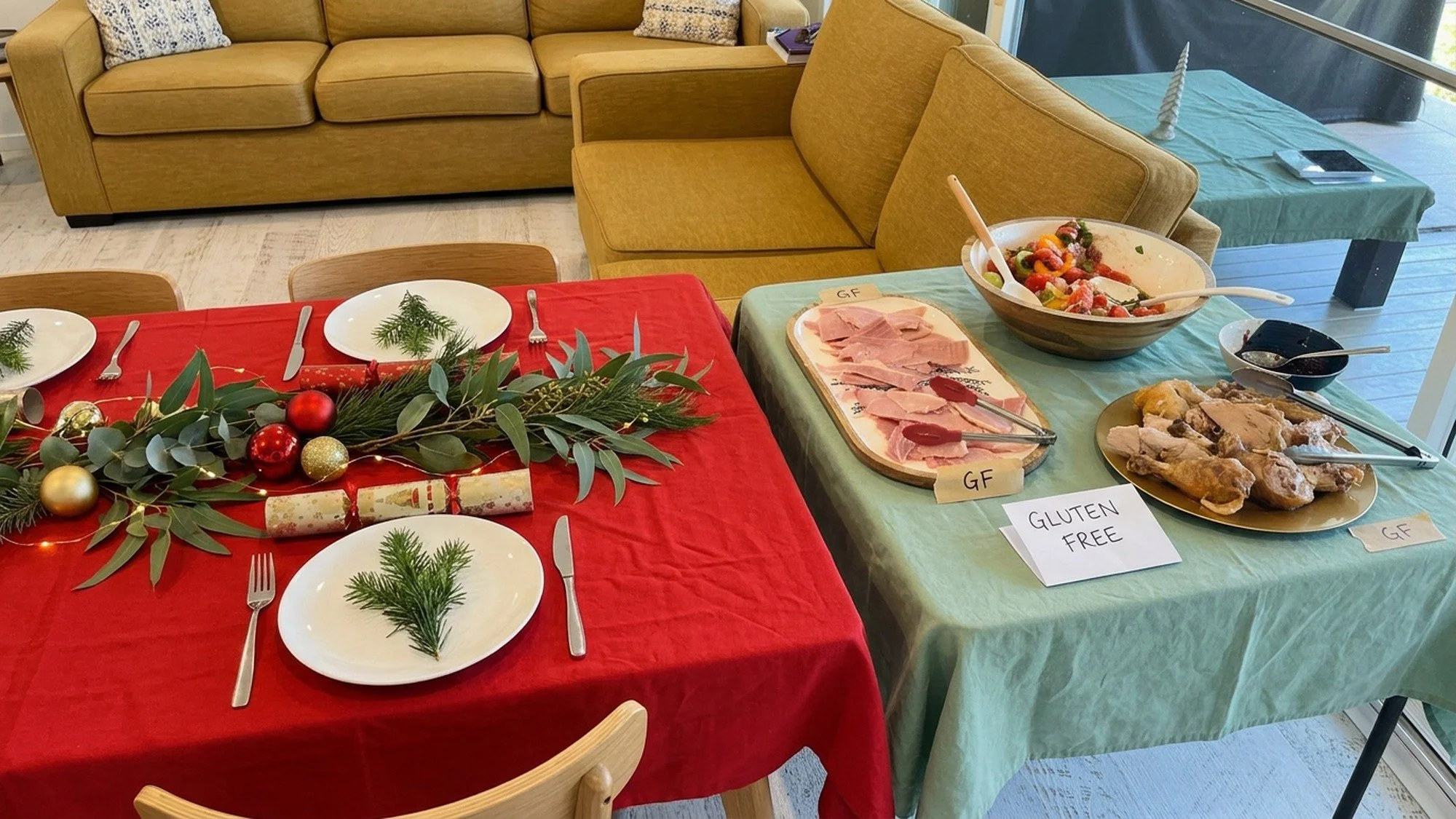
Ham’s the sneaky one. It’s easy to think, “It’s meat, so it must be fine.” But it’s been processed, so confirm with the butcher or supplier that the particular ham you’ve ordered is gluten-free.
If it comes glazed, ask about the glaze. If you’re glazing it yourself, read the labels on the glaze ingredients. Keep any packaging or written ingredient information for the parent to see.
The same applies to sliced ham, turkey and other deli meats. Don’t assume they’re suitable just because the plain meat they started with was gluten-free.
Do this when you order, while there’s still time to choose another option if needed.
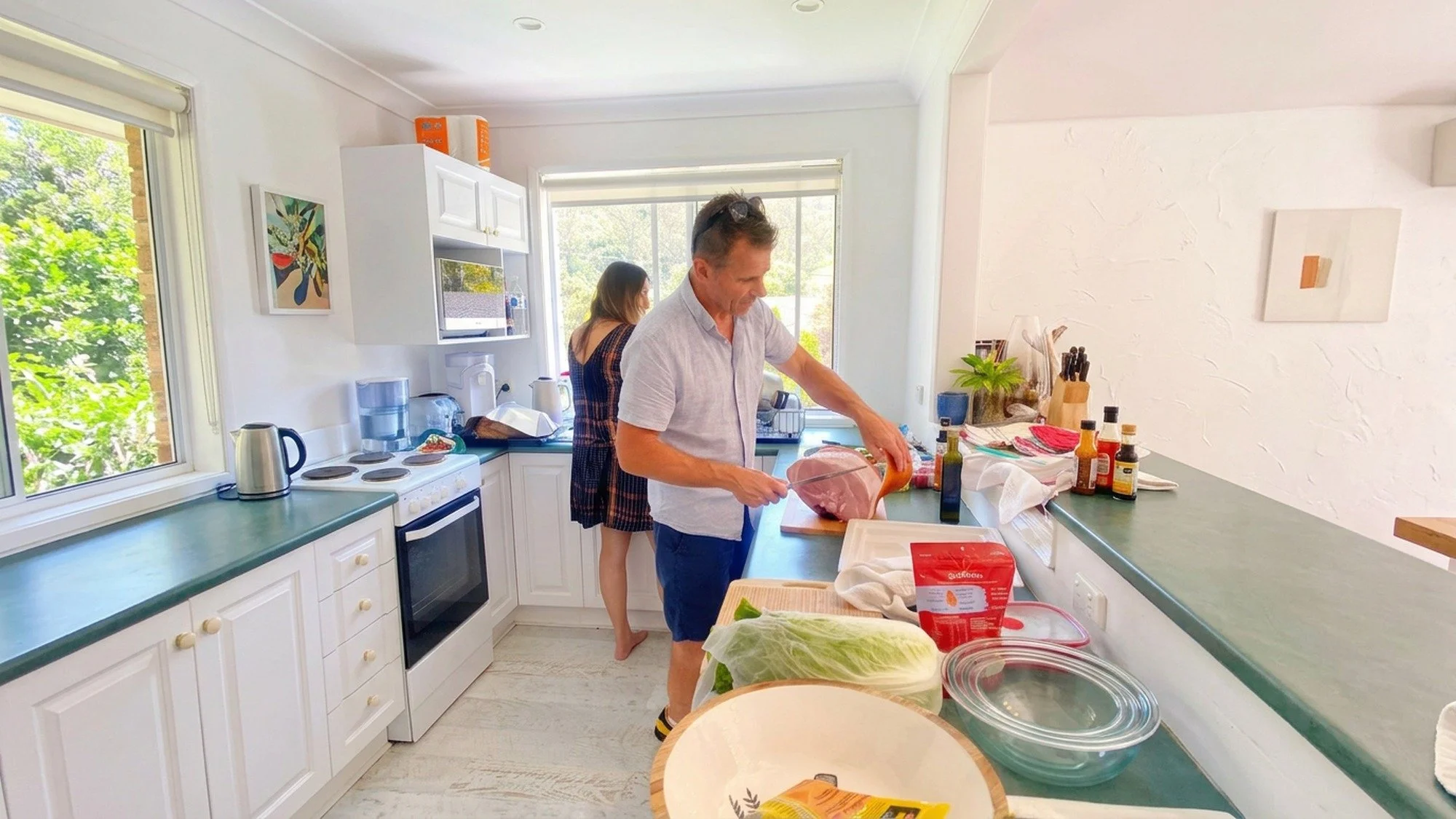
The chicken stuffing and seasoning
Plain chicken and turkey are naturally gluten-free. The stuffing, seasoning, marinade and gravy may not be.
If you’re ordering a cooked bird, ask about all of those. A chicken cooked with regular bread stuffing isn’t made suitable by taking the stuffing out before serving it. Ask for an unstuffed bird with gluten-free seasoning, or use gluten-free stuffing from the start.
Cooking it yourself can make the ingredients easier to keep track of. Lemon, garlic, olive oil and fresh herbs give you plenty of flavour without needing a complicated marinade.
Prawns and seafood are an easy place to start
Plain prawns and unprocessed seafood are naturally gluten-free. A platter of plain cooked prawns with lemon can fit straight into an Australian Christmas lunch.
It’s the seafood sauce, dressings and marinades you need to read the labels on. Battered fish and crumbed calamari are a different story from plain prawns. Ask about the coating and how they’re prepared.
You could serve the prawns plain, with a suitable sauce in a separate bowl and its own spoon. Ask beforehand whether the child enjoys seafood, and have another main they like if they don’t.
Keep the barbecue straightforward
Plain steaks, lamb chops and chicken are useful options. For sausages, burgers and marinated meats, read the label or ask the butcher about the added ingredients.
Clean the barbecue cooking surface and utensils before you start, and keep gluten-free food separate from bread and foods containing gluten. A clean pan or suitable barbecue tray can help keep the cooking area separate. And no pouring beer over the snags. Regular beer has gluten.
Tell whoever is doing the cooking which foods are gluten-free. It’s easy for the person who bought everything to know the plan while the person holding the tongs has no idea.
Salads and vegetables can be shared
Fresh salad vegetables are naturally gluten-free. A finished salad depends on everything else that goes into it.
Croutons, regular pasta and crunchy noodles can introduce gluten. Read the dressing label too. The same goes for seasonings on roast potatoes, stock used in vegetable dishes and flour added to make potatoes crispy.
Some easy options to build around are:
Roast potatoes with olive oil and rosemary.
Corn on the cob with plain butter.
Tomato, cucumber and lettuce salad with olive oil and lemon.
Roast pumpkin and baby spinach salad with a gluten-free dressing.
Potato and egg salad made with gluten-free mayonnaise.
If you normally add croutons to a salad, you could leave them in a separate bowl, away from the gluten-free dishes. Ask the parent how they’d like to handle serving, especially if the table has both gluten-free and regular food.
Don’t forget dessert
I’d put dessert on the list early. Fruit can be lovely, but if everyone else is having pavlova or trifle, ask whether the child would enjoy a gluten-free version too.
Pavlova is one option to make gluten-free for the whole table. Look through the recipe or the label on a bought base, including any cornflour, and do the same for toppings and decorations. Some cornflour is wheat-derived, so choose a suitable gluten-free product.
Cream and fresh mango, berries or passionfruit make a very Australian Christmas dessert. For ice cream, trifle, pudding or chocolates, you’ll need gluten-free products and ingredients too.
A gluten-free trifle can use gluten-free cake. Or you might choose a shared dessert that already works for everyone. The child’s parent may have an easy recipe or a favourite product to suggest.
Keep it gluten-free when you serve it
Once you’ve sorted the ingredients, keep crumbs and gluten from other dishes out of the food:
Prepare food on clean surfaces with clean utensils.
Keep regular bread and crackers away from gluten-free platters.
Give each dish its own serving spoon or tongs.
Keep gluten-free food covered until it’s served.
Let anyone helping in the kitchen know which dishes and utensils to use.
If everyone is helping themselves, ask the parent whether they’d prefer to serve their child before utensils start moving between dishes.
And if relatives are bringing a plate, tell them about the dietary requirement beforehand. Ask them to bring the ingredient information too.
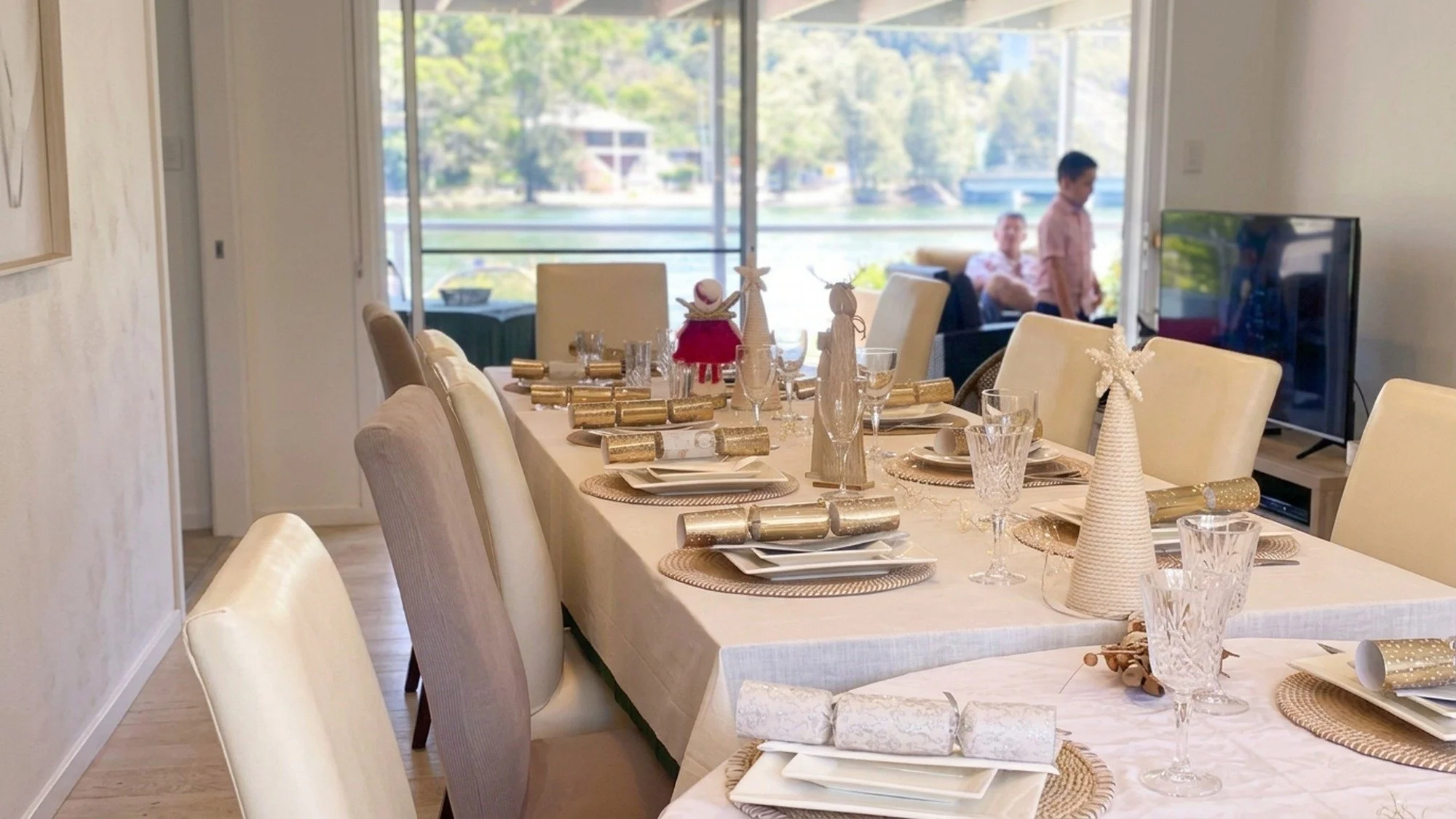
A simple menu to work from
You could serve plain prawns with lemon, chicken roasted with garlic and herbs, roast potatoes, corn and a fresh garden salad, followed by a gluten-free pavlova with cream and summer fruit.
If ham is your family tradition, include a confirmed gluten-free ham and glaze. If the child prefers sausages, choose a gluten-free product their parent recommends.
You don’t need to make every Christmas dish you can think of. A main they enjoy, a few sides and a dessert they’re looking forward to is a good place to start.
Why I wanted to write this
What I want for Milli is to be able to sit down at the table and have a lunch she’s looking forward to, with everyone else. I don’t want the person hosting to feel they need to become an expert or spend Christmas morning cooking a whole second meal.
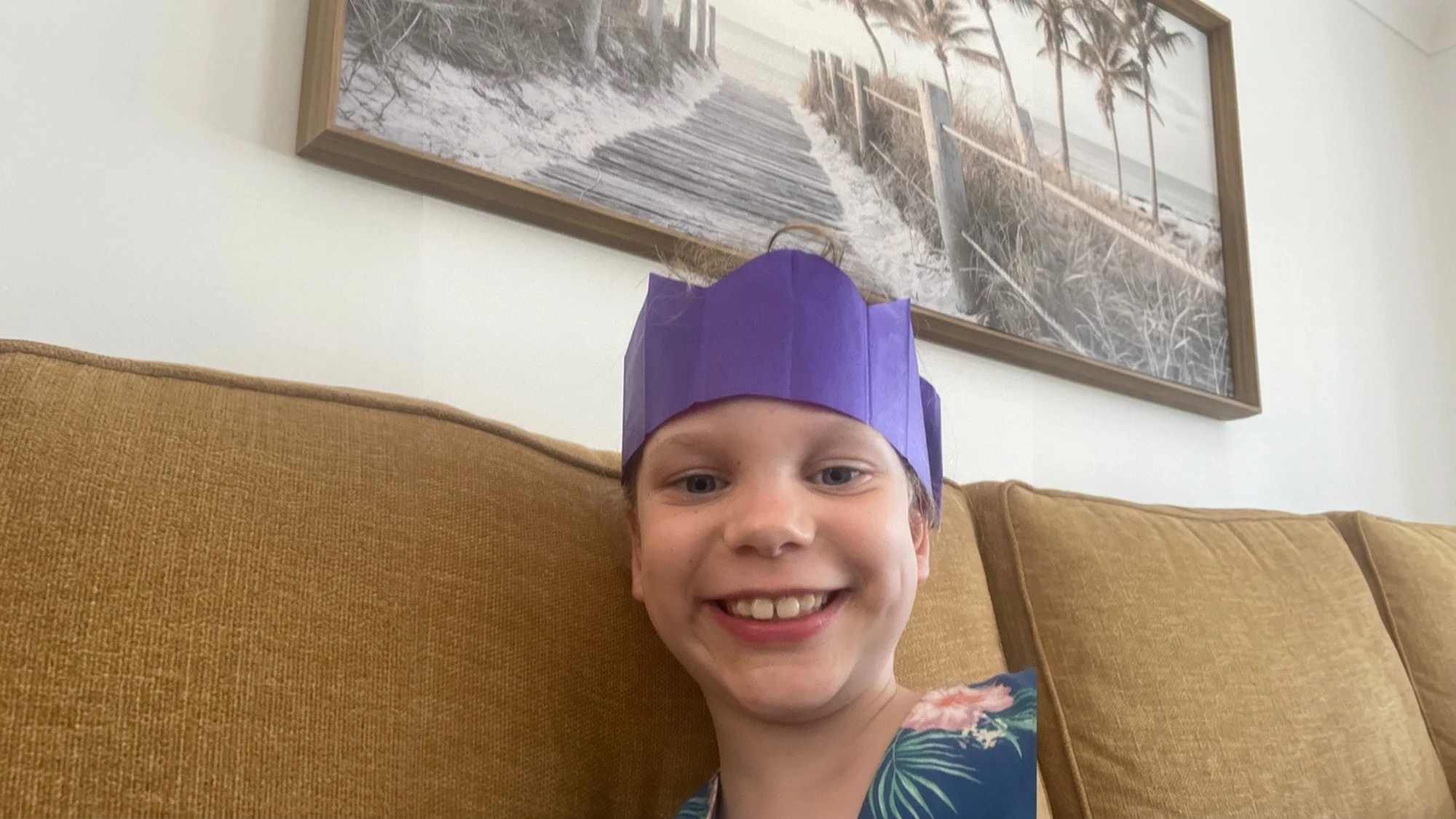
That’s why I keep coming back to the ordinary food. The prawns, the potatoes, the salad, the meat. Start there, sort out what goes on them, and talk to the parent before the day.
Milli’s book, My Gut is a Drama Queen, includes the frustrating and funny parts of living with coeliac disease. We worked on it together during the April school holidays. It started as a project to get her doing something herself instead of watching other people on YouTube. Looking through her stories gave us plenty to talk about, including how food affects more than what’s on her plate.
For Christmas lunch, I’m hoping this takes some of the worry out of the invitation. You can send the parent your menu and say, “This is what I’m thinking. Can we make this work?”
Kat x
Got a coeliac kid at home? Milli wrote a funny book about life with coeliac disease called My Gut is a Drama Queen. You can read more about it here. If you need more ideas for the silly season, try our gluten-free Elf on the Shelf ideas, or our tips for birthday parties with coeliac disease.