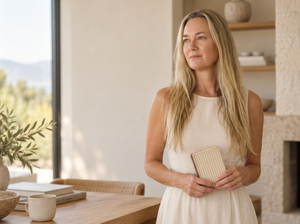
A different way to think about the future: not by trying to predict exactly where you will be, but by asking what you would be glad had become part of your life when you eventually look back.
There is a question that appears often in goal setting: where do you see yourself in five years? Or ten years?
I have never found it especially easy to answer.
Ten years is a long time. Life can change in ways you could not possibly have predicted. Work changes. Relationships change. Children grow up. Health changes. New people arrive. Old plans stop making sense. Things happen that you could never have included in a neat picture of the future.
Trying to imagine exactly where I will be, what I will be doing and what my life will look like can feel strangely artificial.
But there is another version of the question that I find much more interesting.
What would you love to be able to look back on ten years from now?
That feels different.
It does not ask you to predict the future. It asks you to think about what you would be glad had been part of it.
The question changes when you look backwards
When you ask where you will be in ten years, the mind often goes straight to outcomes.
What job will I have? Where will I live? How much money will I have? What will I have achieved?
When you ask what you would love to look back on, the answers can become more human.
I would love to look back and know we travelled together while we could. I would love to have stayed close to the people I love. I would love to have taken better care of my health. I would love to have learned something just because it interested me. I would love to have made more room for creativity. I would love to have spent less time worrying about work. I would love to have had more weekends that felt like ours.
Those answers are not necessarily smaller.
They are simply less interested in creating a perfect picture of who you will become and more interested in the life you will actually have lived.
You do not need to know exactly where you will end up
This is useful because long-term goals can become intimidating when they require too much certainty.
You may know that you want more freedom without knowing whether that means changing jobs, working fewer days, earning differently or simply becoming better at protecting your time.
You may know that travel matters without knowing exactly which countries you will visit. You may know that you want a stronger financial position without having a fixed number in mind. You may know that you want creativity to be part of your life without knowing what you will make.
Looking back allows you to hold the direction without pretending you know every detail.
You can say, 'I would love to look back and know that I gave this part of myself more room.'
That is enough to begin noticing what deserves attention now.
If that feels more manageable than planning an entire decade, Long-Term Goals: How to Think Beyond the Next 12 Months explores how to hold on to a meaningful direction without knowing every step.
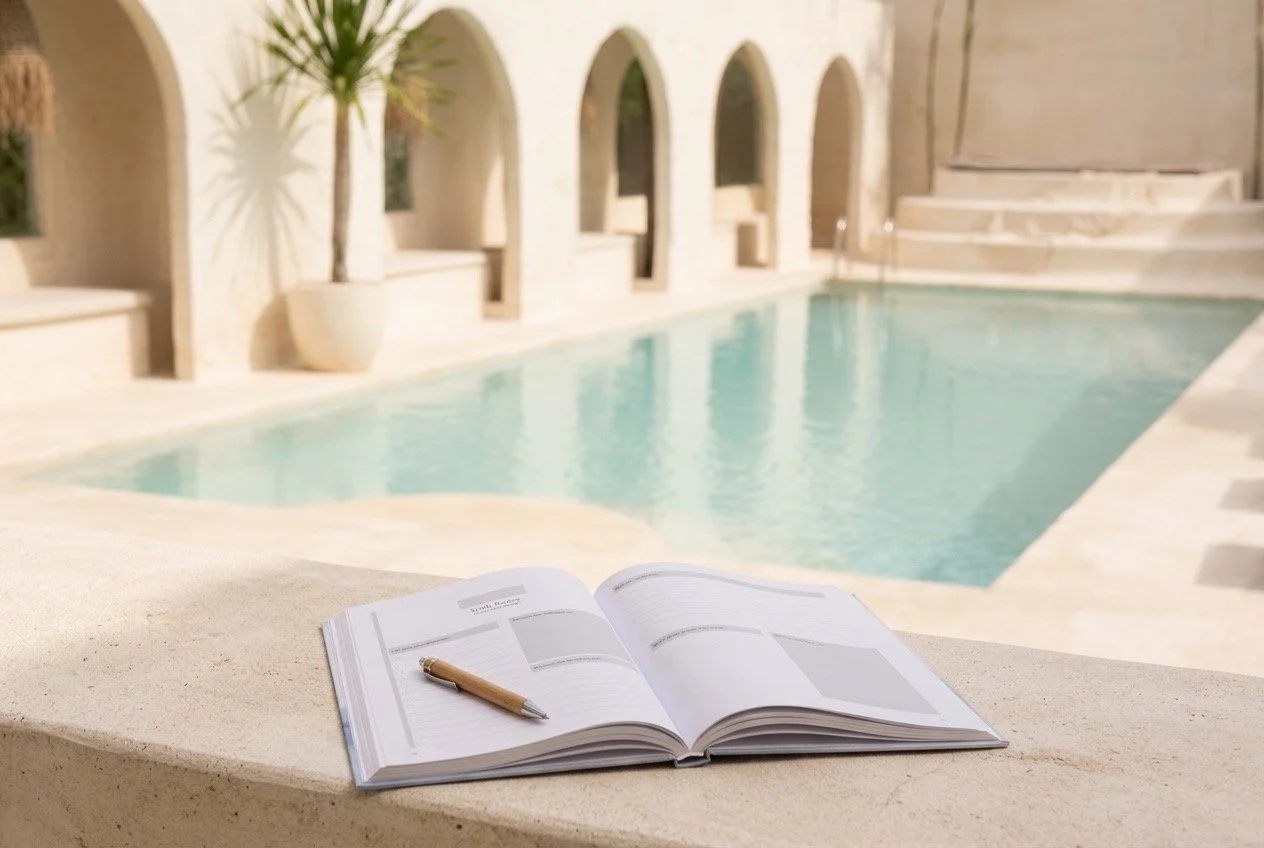
Some of the things you will value most may not look like achievements
Imagine looking back on the next ten years from the other side.
Would you care that every year was productive?
Would you be pleased that you answered emails quickly, kept on top of every task and rarely wasted an afternoon?
Probably not.
You may remember the trip. The friend you made time for. The Sunday walks. The ridiculous dinner that went wrong and became a story. The course you took because you were curious. The decision to stop doing something that made you miserable. The year you finally became less frightened of money. The time you had with someone before life changed.
Of course achievement can matter. Building a business, writing a book, buying a home, changing careers or completing something difficult can become part of the story too.
But when we imagine looking backwards, it becomes easier to see that a good decade is not made only from impressive milestones.
It is also made from ordinary experiences you would be glad not to have missed.
This is closely connected to the idea in It’s Okay to Want a Smaller Life: a life that feels right to you does not have to be measured by how impressive it looks from the outside.
The people may matter more than the plan
This question can also bring relationships into focus in a way traditional goal setting often does not.
There may be no obvious achievement attached to seeing your friends more often, spending time with ageing parents, travelling with your partner, creating traditions with your children or simply being present for the people you care about.
But ten years is long enough for relationships to change.
People move. Children grow. Parents age. Friendships either get time or they slowly become something that existed mainly in the past.
A relationship goal can be as simple as deciding that you do not want another decade to disappear while you keep saying, 'We really should catch up.'
Looking back from the future can make that feel surprisingly important.
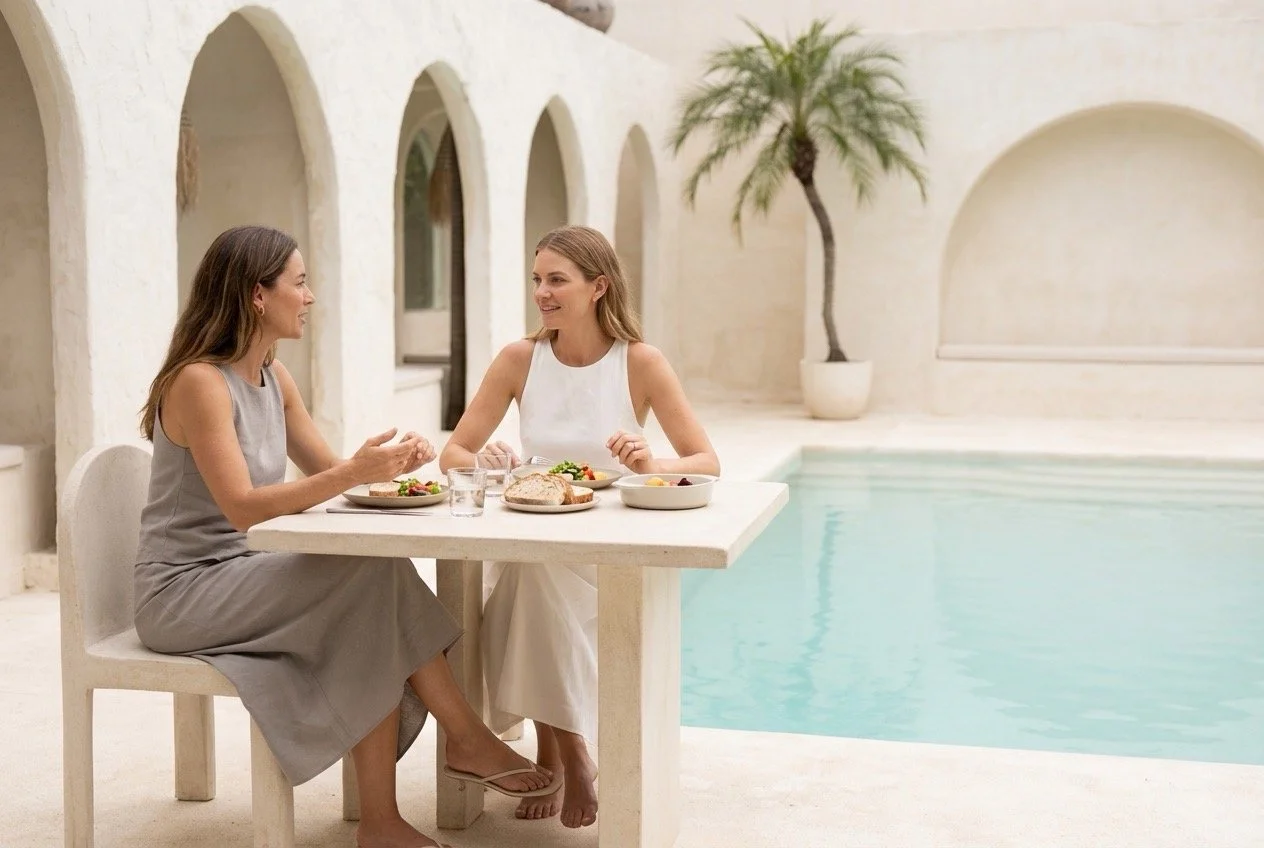
Health looks different when you imagine what you want to keep doing
Health goals can change through this lens too.
Instead of imagining what you want your body to look like ten years from now, you might ask what you would love to still be able to do.
Travel comfortably. Walk for hours. Carry your own bag. Swim. Dance. Get up from the floor easily. Keep up with people you love. Feel strong enough to say yes to an experience without wondering whether your body can manage it.
The goal becomes less about fixing your appearance and more about protecting possibility.
You may look back and be grateful not because you achieved a particular number, but because the small things you did for your health allowed you to keep participating in your life.
What would you regret leaving until later?
There is another useful question sitting inside this one.
If ten years passed and you had not done it, would you mind?
Not every dream deserves urgency. Some can sit happily in 'one day' for years.
But there may be a few things that feel different when you imagine another decade passing.
The trip you have talked about forever. The creative thing you keep putting aside. The course you want to take. The person you want to spend more time with. The work change you keep postponing. The financial problem you know you would feel better addressing.
You still do not need to panic and turn all of them into immediate projects.
But the ten-year view can help separate the things that are pleasant ideas from the things you may genuinely be sad never to have explored.
What would you be proud that you protected?
Looking back is not only about what you added.
It can also be about what you kept.
Your health. A friendship. Financial security. Time with your partner. Your sense of humour. A creative part of yourself. Enough freedom in your work to have a life outside it. A home that still feels calm.
Some of the best goals are not about becoming more.
They are about refusing to lose something you already know matters.
Ten years from now, you may be just as grateful for the things you protected as the things you achieved.
If you want to think more about those foundations, What Are Anchor Goals and What Could Yours Be? looks at the parts of life that deserve to be kept steady as everything else changes.
You are allowed to want memories as well as outcomes
I think we sometimes forget that goals can be about creating memories.
Spend Christmas somewhere different once. Take a trip with your sister. Learn to ski. See the Northern Lights. Go back to the place you loved when you were younger. Have the long lunch. Throw the party. Take your daughter somewhere special. See the concert while the artist is still touring.
These are not necessarily goals that improve you.
They make up a life.
There is something useful about imagining your future self saying, 'I am so glad we did that.'
That sentence can be a very good reason to put something on a goal list.
What would you love to say about the next ten years?
If the full ten-year question feels too big, turn it into sentences.
I would love to be able to say...
I stayed close to...
I finally tried...
I learned...
I stopped...
I travelled...
I protected...
I made more time for...
I became less afraid of...
I looked after...
I created...
I enjoyed...
The answers do not need to become a ten-year plan.
They can simply show you what kind of decade you would be pleased to have lived.
Then bring the question back to now
The useful part of looking ten years ahead is not to stay there.
Bring the question back.
If you would love to look back and see more travel, what is one way travel could receive some attention now?
If friendships matter, who have you been meaning to call?
If financial security matters, what would make you feel slightly more secure this year?
If you want to stay strong, what would supporting your body look like in ordinary life?
If creativity matters, where could it appear this month?
The next step does not need to match the size of the ten-year hope.
It only needs to keep a small connection between the life you would love to remember and the life you are living now.
That connection between a bigger hope and the choices of an ordinary week is also explored in What Is a Goal Ecosystem? And Why Your Goals Don’t Exist in Isolation.
Maybe the better question is not where you will be
Ten years from now, you may live somewhere you cannot currently imagine. Your work may look different. Your family may have changed. Some plans will happen and others will disappear.
You do not need to predict all of that.
Perhaps it is enough to think about what you would like the years to contain.
The people. The places. The experiences. The things you learned. The things you protected. The moments you were glad you did not postpone.
Instead of asking, 'Where do I see myself in ten years?'
Try asking, 'What would I love to be able to look back on?'
You may not know exactly where the next decade will take you.
But you can still have a say in what you hope will be part of the story.
If you would like somewhere to explore those thoughts, A Life in Goals is a guided journal designed to give your long-term hopes, everyday priorities and changing goals room to grow. Explore A Life in Goals on Amazon.
Kat x
Creator of A Life in Goals