
You Don’t Need a New Year to Start Thinking About What You Want
A conversation, a birthday or an ordinary Tuesday can make you notice something you want to change. You do not need to review your whole life or wait for January before writing it down. I explore how one unfinished thought can be enough to begin, and why goals can follow the timing of your life rather than the calendar.

What Did You Keep Saying “After Christmas” About?
“After Christmas” can be a useful place to leave things when December is full. Once the noise settles, you can revisit the course, trip, appointment, friend or creative idea and decide which still deserves attention. This reflection asks what would make February feel lighter, rather than handing you the whole backlog at once.
The Things I Want More of Next Year That Aren’t Really Goals
When I think about next year, I want more dinners that run late, weekends away, books, creativity and time outside. I explore what those ordinary wishes tell me about connection, freedom and the pace of life, without turning them into targets. A simple “I want more…” list can offer direction before there is a formal goal.
Before You Decide What You Want Next Year, Notice What You Already Have
Before deciding what to add next year, ask what you would be genuinely upset to lose. A friendship, a routine, financial breathing room or flexibility at work may deserve protecting as much as a new ambition deserves attention. This reflection introduces Anchor Goals and questions for keeping what already makes your life good.

What Do You Want to Leave Here Before the Year Ends?
Before adding goals for next year, it may help to notice what has become heavy or no longer feels like yours. This reflection explores old expectations, habits, obligations and the pressure to have everything resolved. You can keep a useful intention, change the way you approach it and leave some newly freed space unfilled.

The Week Between Christmas and New Year Is Allowed to Be Nothing
The days between Christmas and New Year can be ordinary, unstructured and free of a plan. You can read, walk, see people or write down a thought without deciding what it should become. This reflection leaves room for rest and a few gentle questions, without asking the quiet week to carry the weight of the whole year ahead.

What Would Make Next Year Feel Better, Not Look Better?
What would make next year feel better to live, even if it looked quite ordinary from the outside? I explore less rushing, financial breathing room, friendship, creativity and the things that change the background of a week. Imagining an ordinary Tuesday can help you choose goals for the life you want to experience.

The Difference Between Being Busy and Moving Towards Something You Want
A full week can contain a hundred completed tasks and still leave you feeling as though nothing you genuinely wanted moved forward. Being busy is sometimes necessary. The useful question is whether, somewhere inside everything that keeps life running, the things that matter to you are still getting a turn.

What Would You Love to Be Able to Look Back On 10 Years From Now?
Instead of trying to predict your life in ten years, imagine what you would be glad had been part of it. The answer might involve a trip, ordinary time with someone you love, a creative interest or something worth protecting. These questions and sentence starters help you notice what matters without turning the whole decade into a plan.
How Everyday Goals Support the Life You Actually Want
An Everyday Goal might be a monthly dinner with a friend, a little travel research or an evening left free. These small choices can support a bigger goal, protect something you value or simply make an ordinary week nicer. This guide explains how to choose what fits now without creating another list of habits to keep up with.

How to Plan Your Year When You Don’t Want a Traditional Planner
You can want direction for the year without wanting a box for every Tuesday. I look at keeping a full list of possibilities, choosing only a few active goals and putting genuine dates in the calendar. The rest can stay in your journal until life gives you a reason to return, without missed weeks to catch up on.
Your Next Chapter Doesn’t Need to Be a Reinvention
A changing stage of life can bring pressure to start over, even when there is plenty you would like to keep. I explore the goals that protect good relationships, make ordinary days better or create more room for familiar interests. Begin with what already works, then decide what deserves changing without assuming the most dramatic option is best.
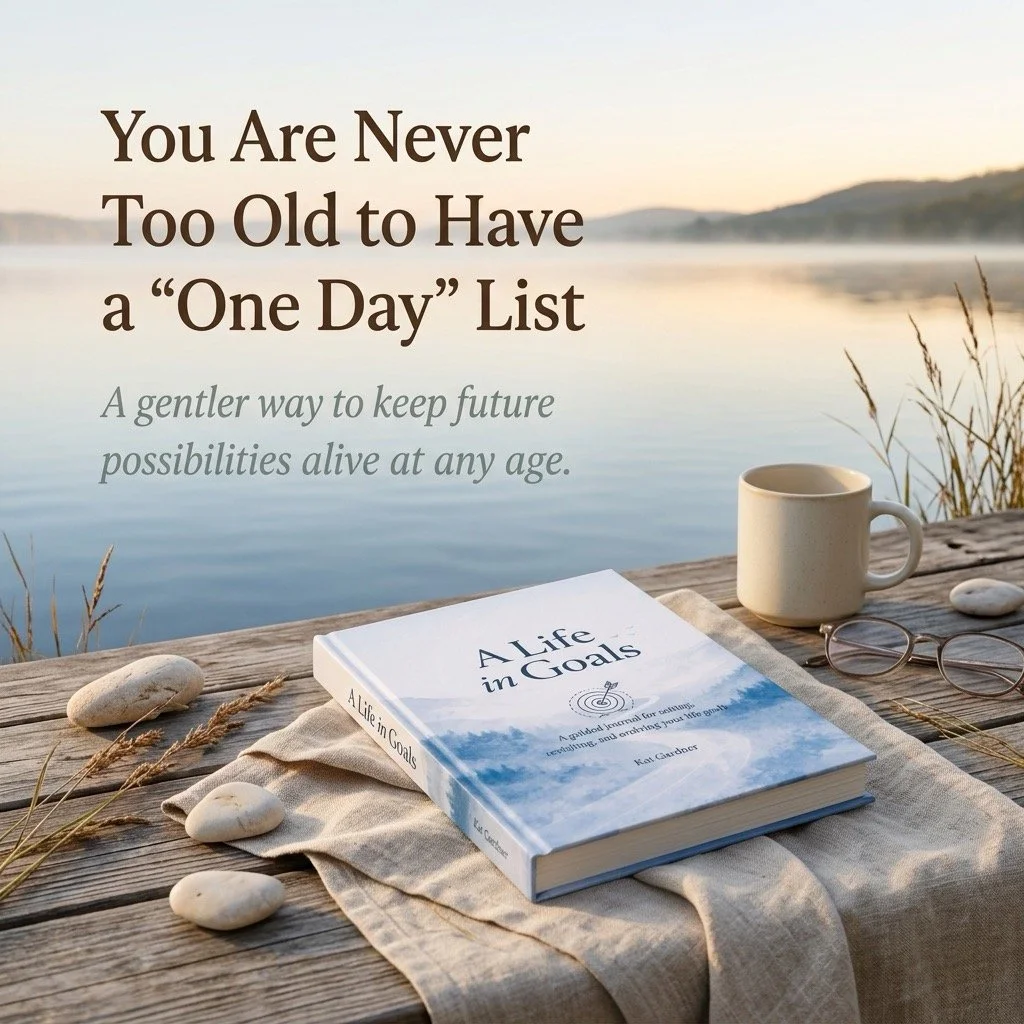
You Are Never Too Old to Have a “One Day” List
A “one day” list does not have to be a bucket list or a countdown. It can simply hold the places, experiences, small pleasures and future ideas that still make you think, I’d love that. This is a reflective look at keeping possibility alive at every age, without pressure to turn every dream into a plan.
How to Set Personal Goals That Actually Feel Like Yours
A goal can look sensible on paper and still leave you unmoved. These questions help you look beneath the promotion, house or other milestone, notice whose expectations you are carrying and ask whether you would want the result if nobody saw it. Your own answer may be quieter or more ambitious, but it should fit the life you want to live.
How to Set Goals for the New Year Without Making New Year’s Resolutions
If New Year’s resolutions have never felt quite right, you do not have to give up on goal setting. This guide offers a calmer way to use the beginning of the year, not to reinvent yourself overnight, but to notice what matters, what has changed and what you actually want your life to make room for.
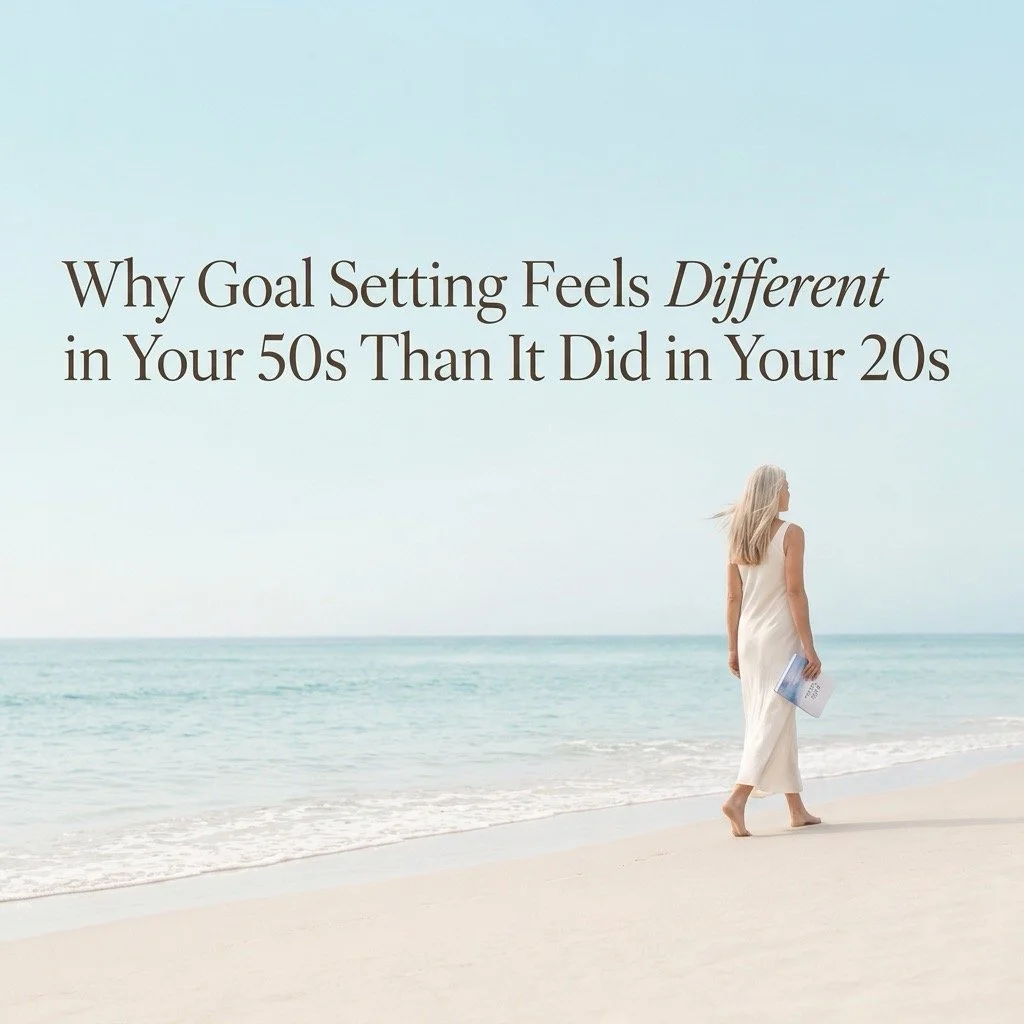
Why Goal Setting Feels Different in Your 50s Than It Did in Your 20s
In my twenties, writing goals helped me imagine a life I had not yet lived. In my fifties, I can also look back at what happened, what mattered less than I expected and the interests that kept returning. I explore how that experience changes the questions I ask about work, time and the future, without assuming I should have everything worked out.

What Do You Want When You’ve Already Achieved the Things You Were Supposed to Want?
What happens when you’ve already achieved many of the things you were supposed to want, and the next step is no longer obvious? A reflection on midlife goals, changing priorities and asking what you actually want from here.

What Is a Goal Ecosystem? And Why Your Goals Don’t Exist in Isolation
Your goals do not exist in isolation. A Goal Ecosystem is a way of seeing how bigger dreams, everyday choices, financial foundations, learning, health and long-term goals can support or affect one another inside the same life. The point is not more goals. It is seeing the relationships that are already there.

It’s Okay to Want a Smaller Life
It’s okay if your version of a good life involves less, not more. A smaller life can mean more time, deeper relationships and making room for what actually matters to you.

A Gift for the Woman Who Is Always Looking After Everyone Else
Thoughtful gift ideas for the woman who is always looking after everyone else, from time and experiences to something that gives her space to think about what she wants too.